Efficacy and safety in real biological systems.

Pharmacokinetics and nutrient bioavailability.
Performance evaluation carried out in validated animal models to generate reliable comparative outcomes.

Safety, efficacy, and tolerability assessment through controlled human clinical studies.
Microscopy (SEM, HR-TEM) for structural analysis.
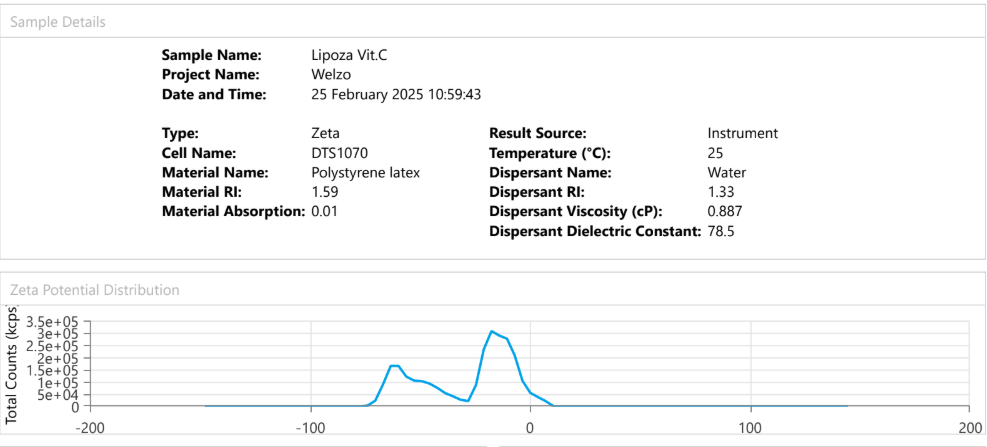
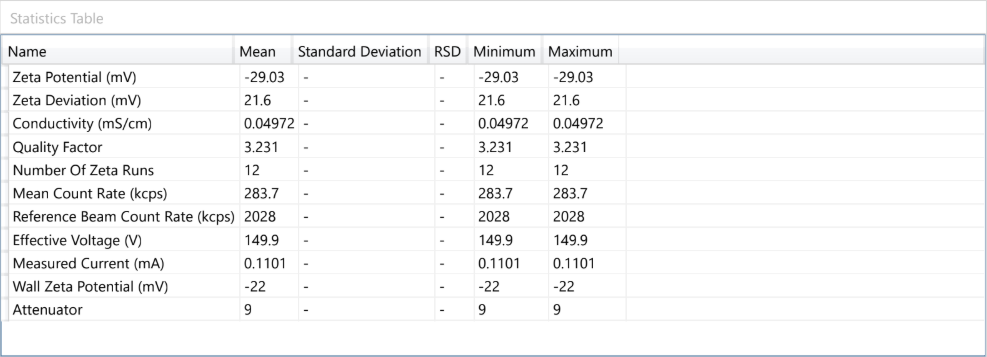
Zeta Potential Analysis for surface charge and stability.
Dynamic Light Scattering (DLS) for particle size measurement.
Absorption and permeability through models like Caco-2 cell lines. Need of animal study:- Animal studies in pharmaceutical development assess drug safety, efficacy, and pharmacokinetics, identifying potential toxicity and therapeutic effects to ensure regulatory compliance before human trials.
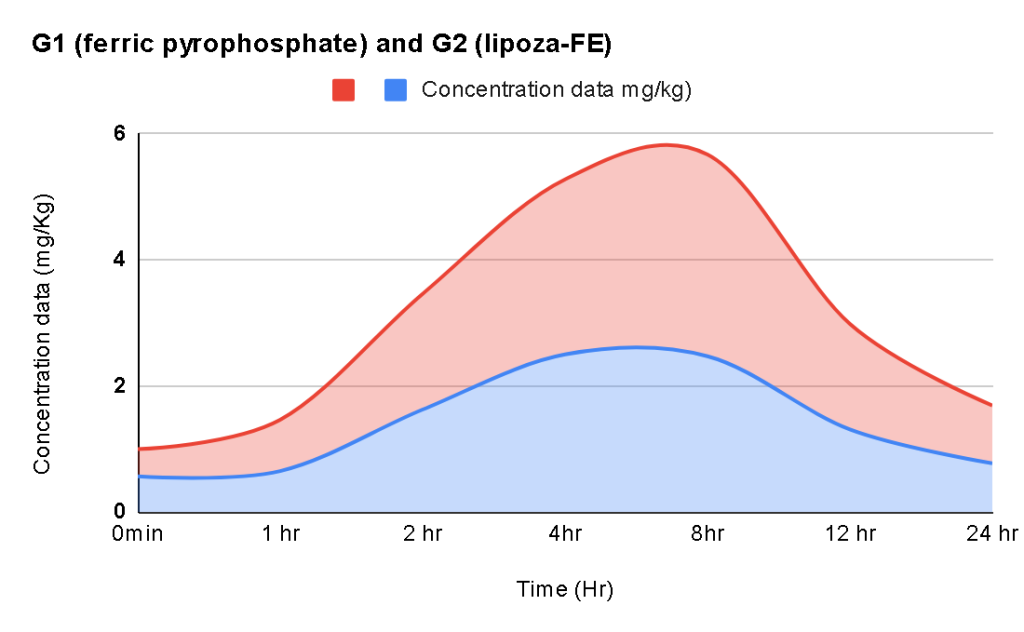
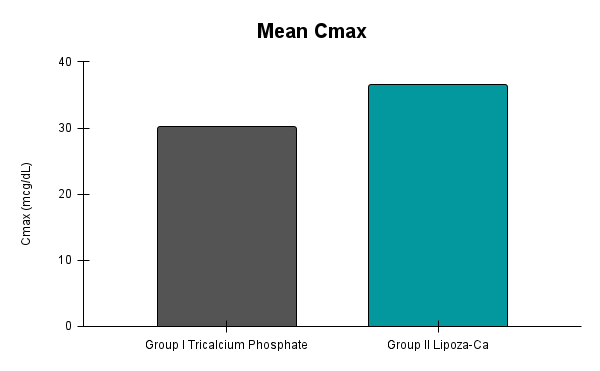
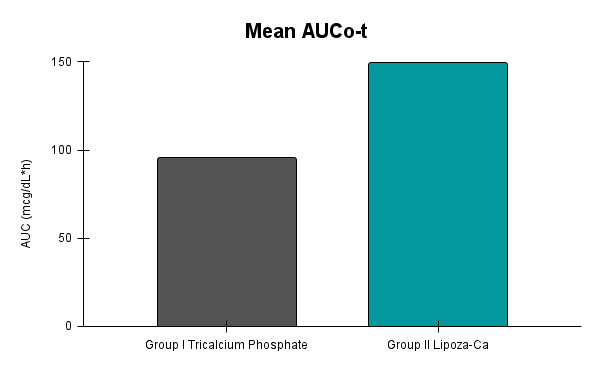
Pharmacokinetic parameters were determined individually for two groups of rats: Group I (G-I), Ferric Pyrophosphate, and Group II (G-II) Lipoza-Fe. This method was based on plotting the serum iron concentrations after oral administration of iron compounds to rats. Further, serum from all the samples were used for the measurement of serum iron concentration using the ICPMS method. The analysis revealed that G-II exhibited a more pronounced pharmacokinetic response, as evidenced by higher values of the area under the plasma concentration–time curve (AUCo–t) and maximum plasma concentration (Cmax) compared to G-I. These findings indicate that Lipoza-Fe offers enhanced bioavailability relative to Ferric Pyrophosphate.
The graph shows bioavailability of our branded ingredient compared to raw ironsupplement. This experiment was planned on 2 groups of animals (rat) Group 2 (Lipoza®_ Fe, red) has significantly higher absorption than Group 1 (Ferric Pyrophosphate), indicating superior bioavailability and better metabolic support.
The developed ICP-MS bioanalytical method was accurate and sensitive. Pharmacokinetic analysis showed that Group 2 (G2) Lipoza®– Fe exhibited a higher response, with increased AUC₀₋ₜ and Cmax of iron compared to Group 1.
Human studies in pharmaceutical development evaluate drug safety, efficacy, and pharmacokinetics through clinical trials. Conducted in phases, they assess dosage, therapeutic effects, and potential risks before regulatory approval. These trials ensure compliance, optimize treatment outcomes, and confirm long-term safety.
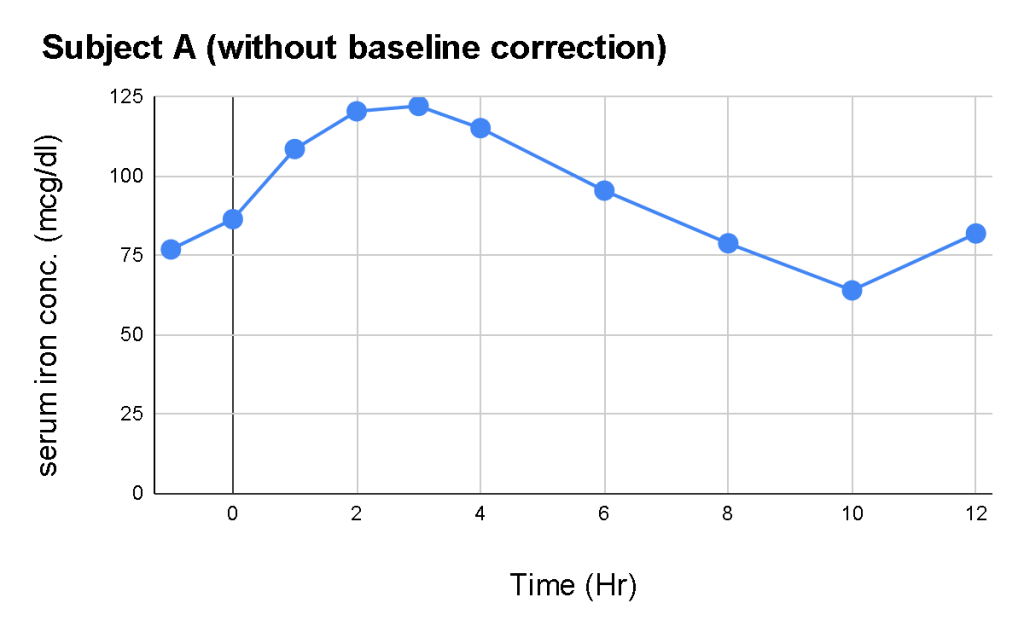
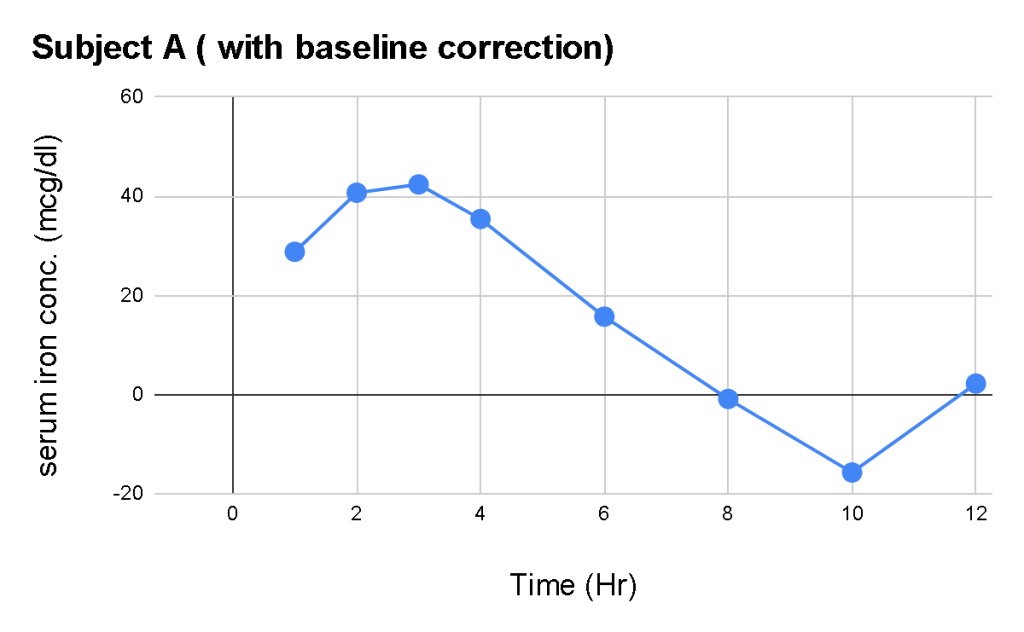
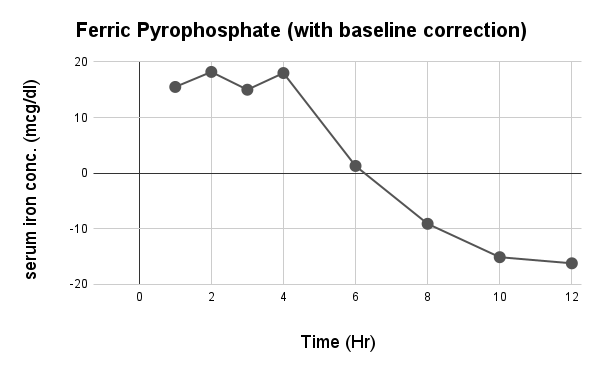
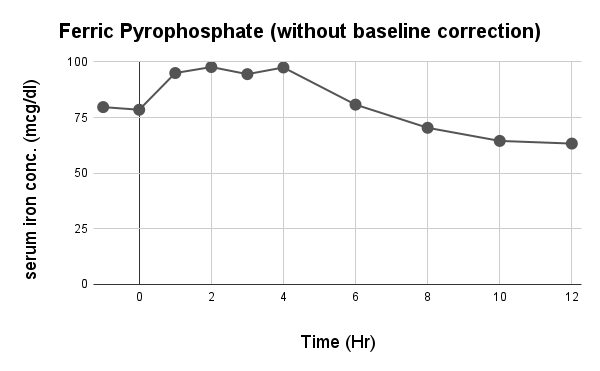
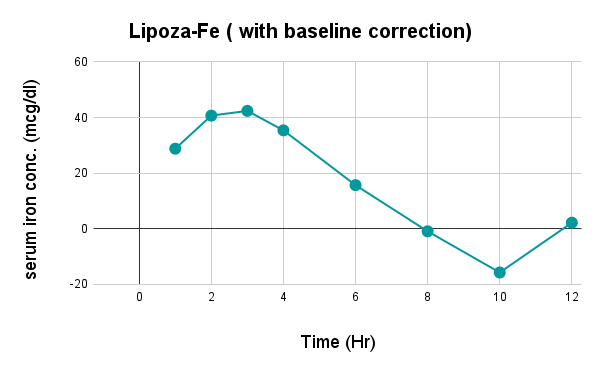
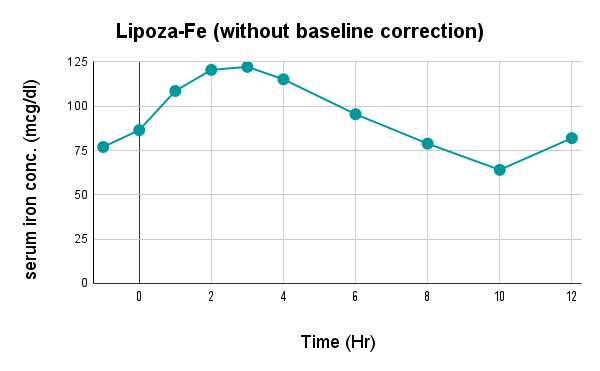
A single-dose, parallel-design bioavailability study was conducted under fasting conditions to compare the pharmacokinetic characteristics of Lipoza-Fe and Ferric Pyrophosphate. This investigation employed a single-period, single-treatment approach involving twelve healthy subjects. The findings revealed that mean iron levels were significantly elevated following administration of Lipoza-Fe compared to Ferric Pyrophosphate, indicating improved absorption and a more favorable pharmacokinetic profile for the liposomal formulation.
.
Figure showing mean serum iron concentrations without baseline correction with Lipoza®_Fe
Figure showing mean serum iron concentrations with baseline correction with Lipoza®_Fe
In this human study, Lipoza-Fe demonstrated higher mean serum iron concentrations compared to Ferric Pyrophosphate, both with and without baseline correction, as shown in Figures C and D versus A and B. These results indicate that the liposomal formulation provides improved iron absorption and enhanced systemic availability.
A single-dose parallel study confirmed that Lipoza®_Fe Liposomal Iron demonstrated significantly higher bioavailability than Ferric Pyrophosphate under fasting conditions.
Microscopy: A Key Tool in Pharmaceutical Analysis
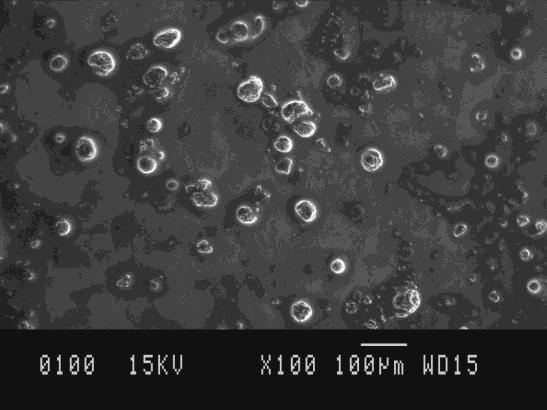
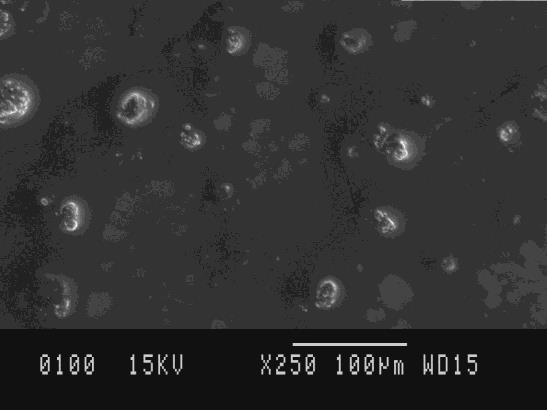
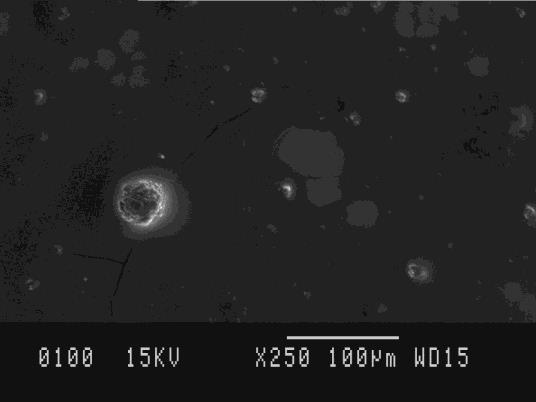
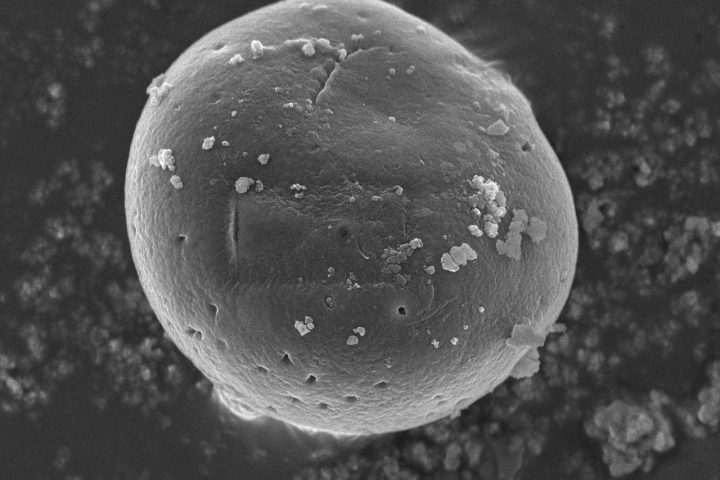
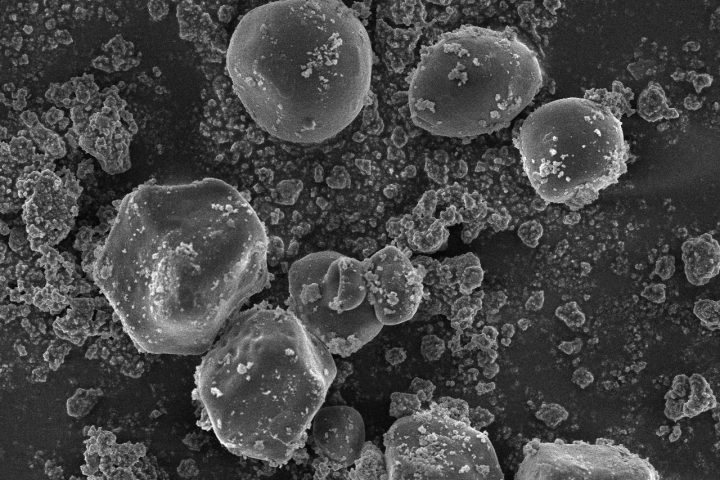
SEM analysis of liposomal samples provides critical insights into surface morphology, particle size, and aggregation, ensuring formulation stability and uniformity. It helps assess structural integrity, surface modifications, and coating efficiency for optimized drug delivery.
Magnified SEM Images for Structural Analysis for Lipoza®_Fe
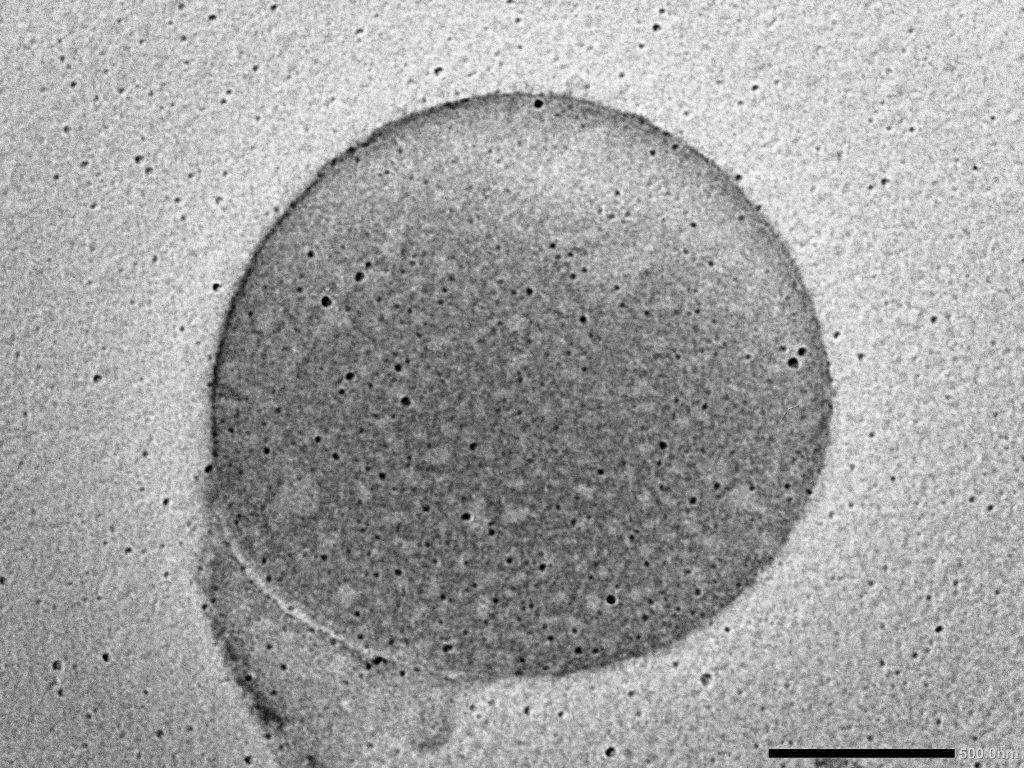
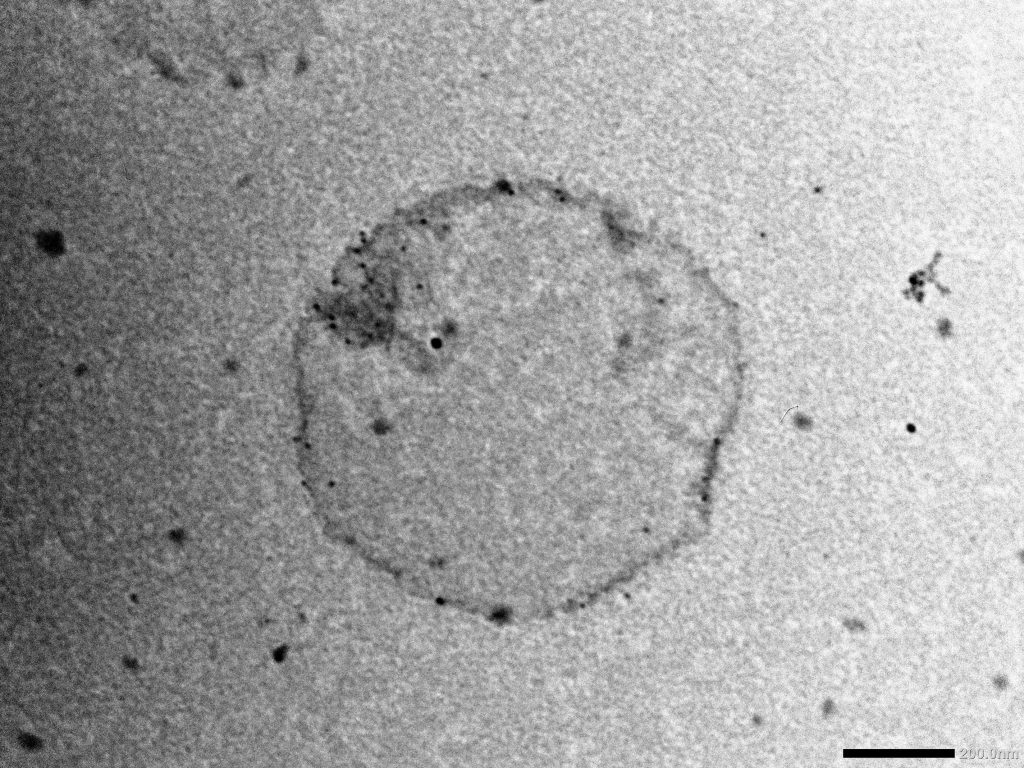
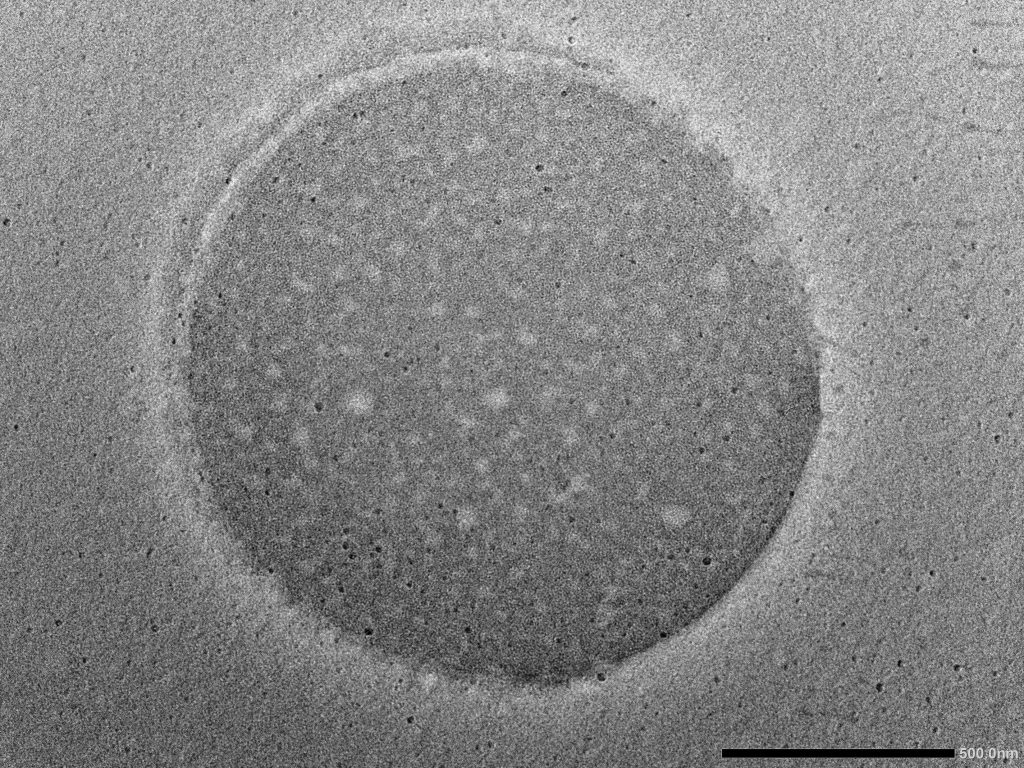
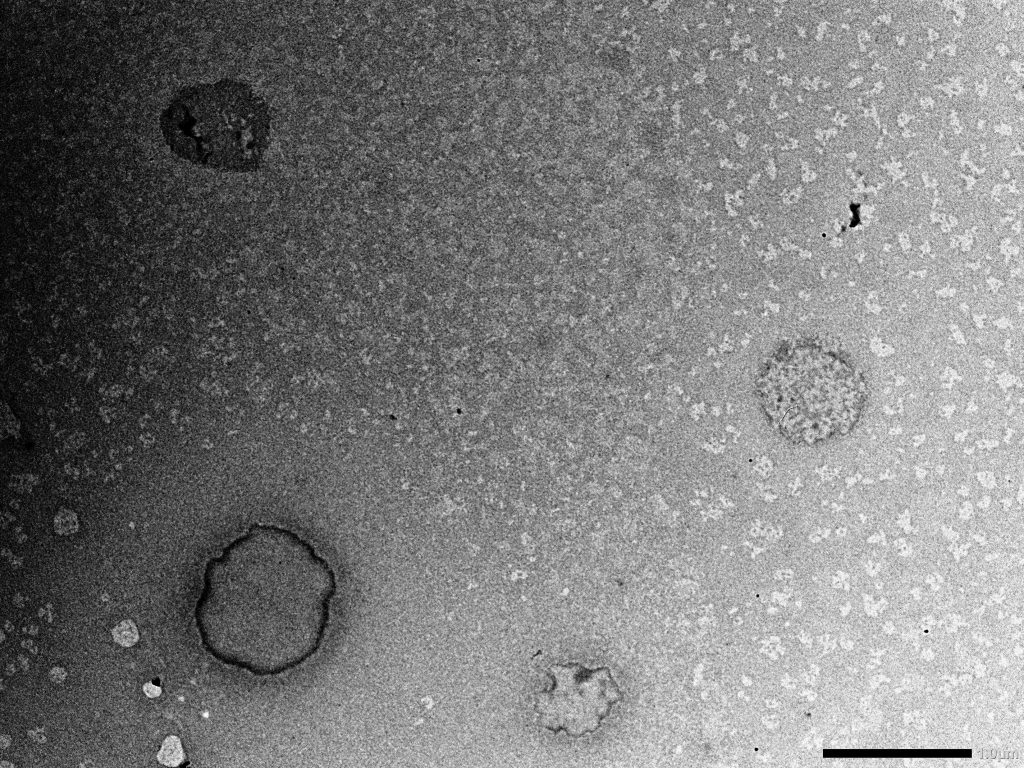
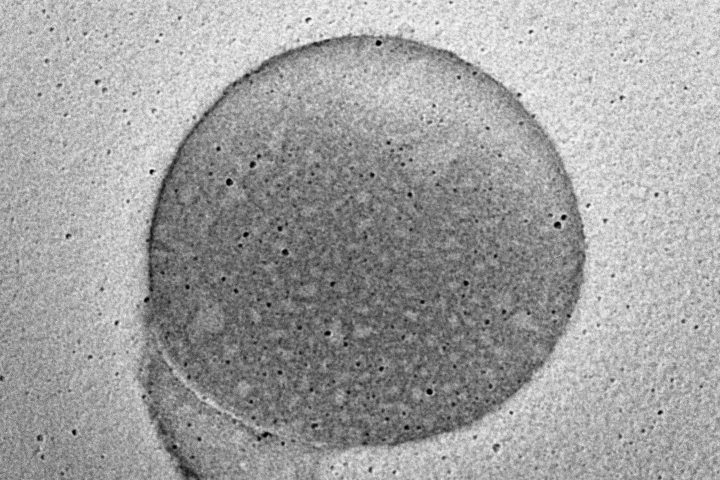
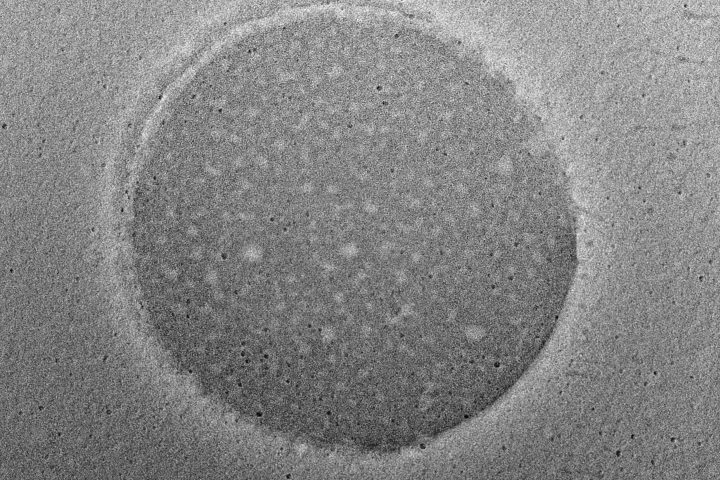
HRTEM provides high-resolution imaging for precise characterization of liposomal size, shape, bilayer integrity, and encapsulation efficiency. It helps assess stability, aggregation, and morphology, ensuring accurate structural analysis.
Magnified HRTEM Images for Structural Analysis for Lipoza® Glutathione
WhatsApp us
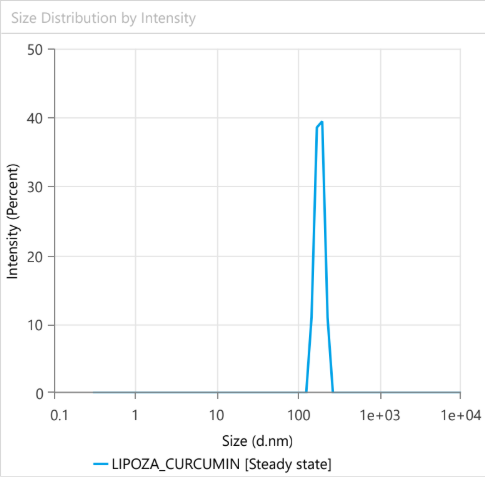
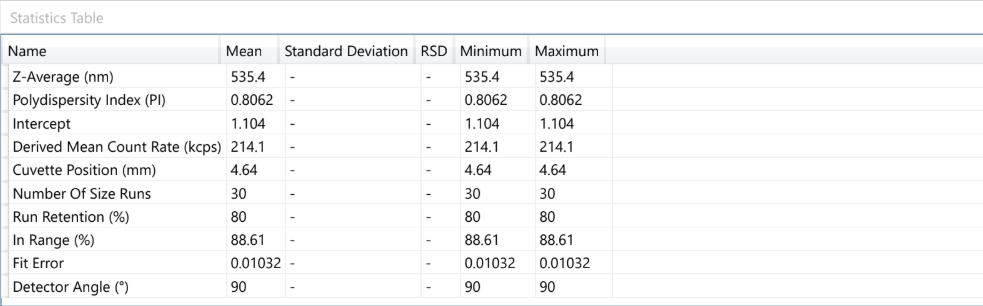
Dynamic Light Scattering (DLS) is employed to evaluate the particle size distribution and polydispersity of liposomal formulations, providing essential information on colloidal stability, dispersion uniformity, and potential bioavailability.
For example – Lipoza®-Curcumin
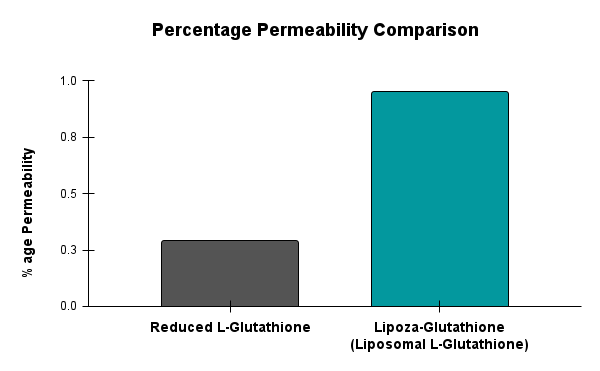
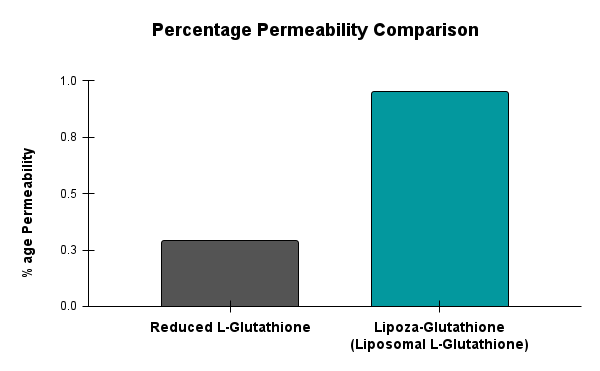
Caco-2 studies utilize human intestinal epithelial cell monolayers to evaluate the permeability and predicted absorption of test substances across the gut barrier.
For example – Lipoza-Glutathione
Demonstrated superior permeability, showing 0.95% transport compared to 0.29% for Reduced L-Glutathione—an approximate 3.28-fold increase. This enhanced permeability, despite lower glutathione content, indicates improved intestinal absorption and supports its potential as a more bioavailable form of glutathione supplementation.
Fill out the form below and we'll get back to you soon
* indicates required question