+ (480) 555-0103
im
1234 North Avenue Luke Lane
Follow us :

Scientific Validation of Liposomal Formulations

At OZABIO®, every liposomal formulation undergoes a comprehensive scientific evaluation, including physicochemical characterization, in-vitro studies, preclinical safety assessments, and human-based performance studies. Our validation approach emphasizes the assessment of encapsulation efficiency, vesicle stability, particle size distribution, zeta potential, and controlled release behavior to ensure superior bioavailability. We also conduct permeability evaluations and comparative performance analysis against conventional delivery systems to demonstrate enhanced absorption. Stability and compatibility studies under diverse environmental conditions further ensure product reliability throughout shelf life. All validation activities are aligned with established scientific principles and globally recognized quality standards, supporting the safety and efficacy of our liposomal formulations.

Studies

  • lists-img Efficacy and safety in real biological systems.

  • lists-img Pharmacokinetics and nutrient bioavailability.
  • lists-img Performance evaluation carried out in validated animal models to generate reliable comparative outcomes.
  • lists-img Safety, efficacy, and tolerability assessment through controlled human clinical studies.

Efficacy and safety in real biological systems.

Pharmacokinetics and nutrient bioavailability.

Safety, efficacy, and tolerability assessment through controlled human clinical studies.

In Vitro Studies

  • lists-img Microscopy (SEM, HR-TEM) for structural analysis.
  • lists-img Zeta Potential Analysis for surface charge and stability.
  • lists-img Dynamic Light Scattering (DLS) for particle size measurement.
  • lists-img Absorption and permeability through models like Caco-2 cell lines.
Lipoza® Fe - Animal study

Animal study

Need of animal study:- Animal studies in pharmaceutical development assess drug safety, efficacy, and pharmacokinetics, identifying potential toxicity and therapeutic effects to ensure regulatory compliance before human trials.

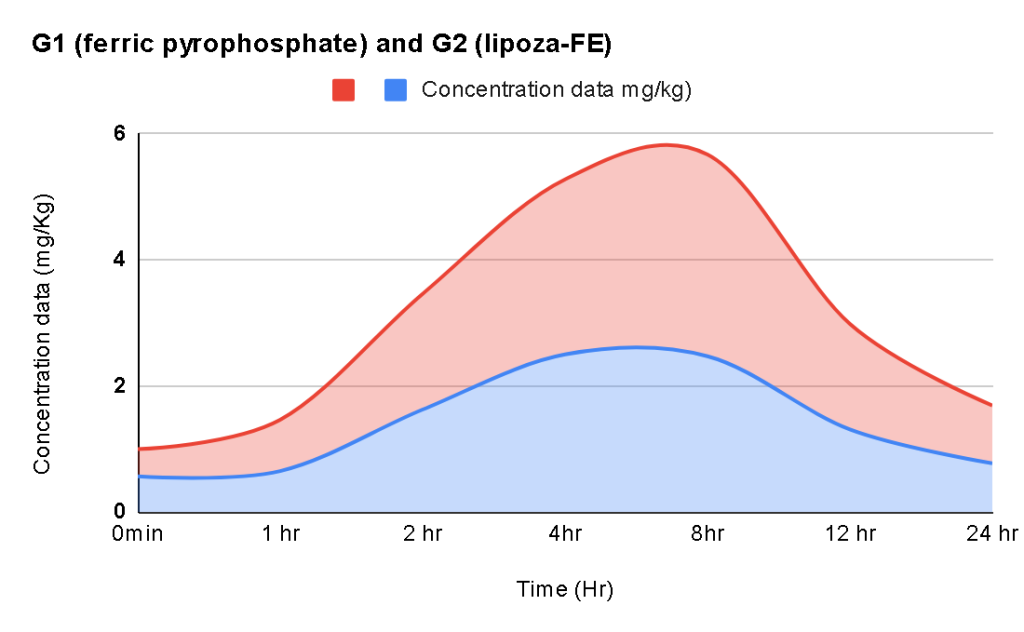
Pharmacokinetic parameters were determined individually for two groups of rats: Group I (G-I), Ferric Pyrophosphate, and Group II (G-II) Lipoza-Fe. This method was based on plotting the serum iron concentrations after oral administration of iron compounds to rats. Further, serum from all the samples were used for the measurement of serum iron concentration using the ICPMS method.  The analysis revealed that G-II exhibited a more pronounced pharmacokinetic response, as evidenced by higher values of the area under the plasma concentration–time curve (AUCo–t) and maximum plasma concentration (Cmax) compared to G-I. These findings indicate that Lipoza-Fe offers enhanced bioavailability relative to Ferric Pyrophosphate.

ozabio
ozabio
ozabio

The graph shows bioavailability of our branded ingredient compared to raw ironsupplement. This experiment was planned on 2 groups of animals (rat) Group 2  (Lipoza®_ Fe, red) has significantly higher absorption than Group 1 (Ferric  Pyrophosphate), indicating superior bioavailability and better metabolic support.

Results:-

The developed ICP-MS bioanalytical method was accurate and sensitive. Pharmacokinetic analysis showed that Group 2 (G2) Lipoza®– Fe exhibited a higher response, with increased AUC₀₋ₜ and Cmax of iron compared to Group 1.

Lipoza ® Fe - Human study

Human study

Human studies in pharmaceutical development evaluate drug safety, efficacy, and pharmacokinetics through clinical trials. Conducted in phases, they assess dosage, therapeutic effects, and potential risks before regulatory approval. These trials ensure compliance, optimize treatment outcomes, and confirm long-term safety.

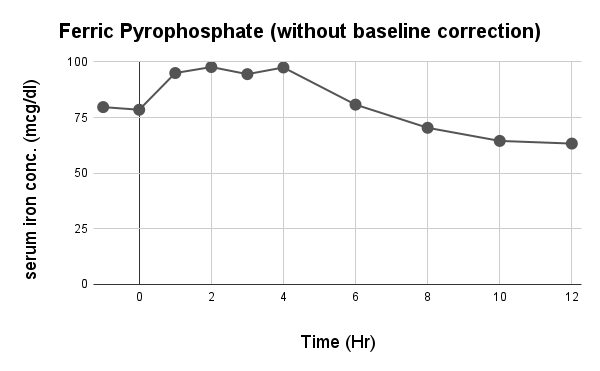
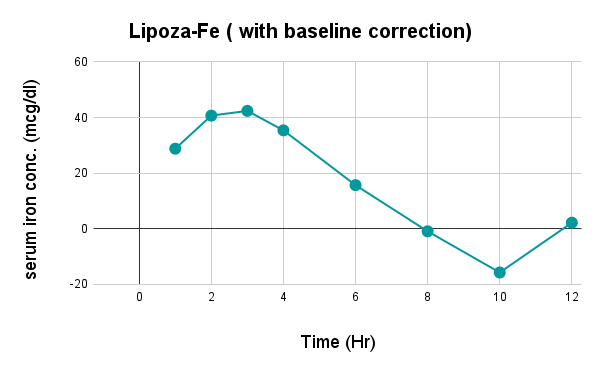
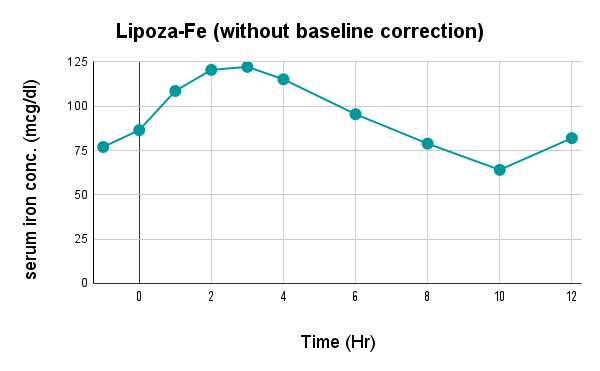
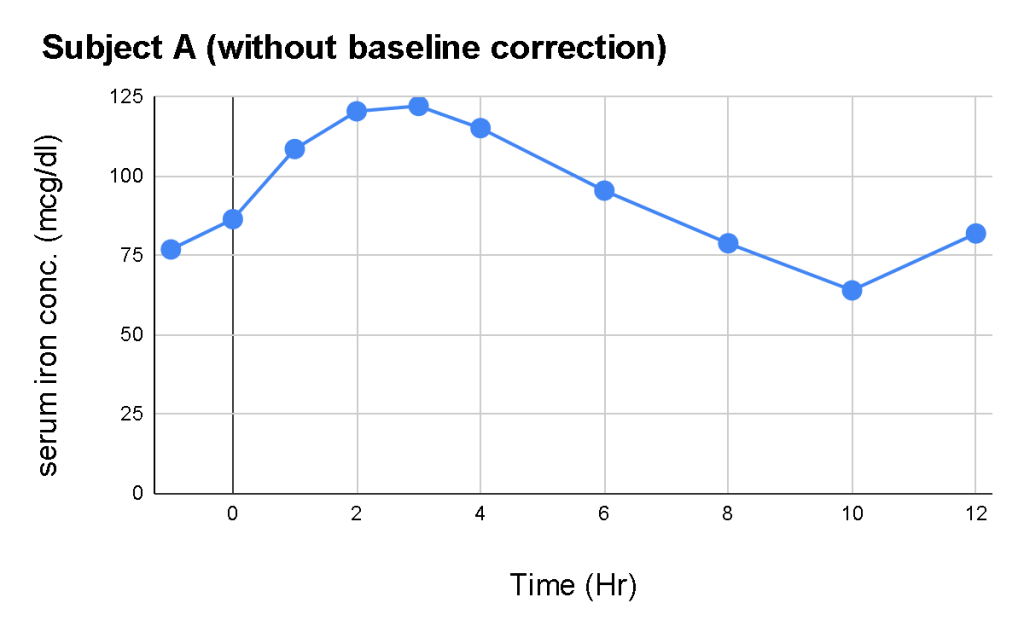
A single-dose, parallel-design bioavailability study was conducted under fasting conditions to compare the pharmacokinetic characteristics of Lipoza-Fe and Ferric Pyrophosphate. This investigation employed a single-period, single-treatment approach involving twelve healthy subjects. The findings revealed that mean  iron levels were significantly elevated following administration of Lipoza-Fe compared to Ferric Pyrophosphate, indicating improved absorption and a more favorable pharmacokinetic profile for the liposomal formulation.

.

ozabio

Figure showing mean serum iron concentrations without baseline correction with Lipoza®_Fe

ozabio

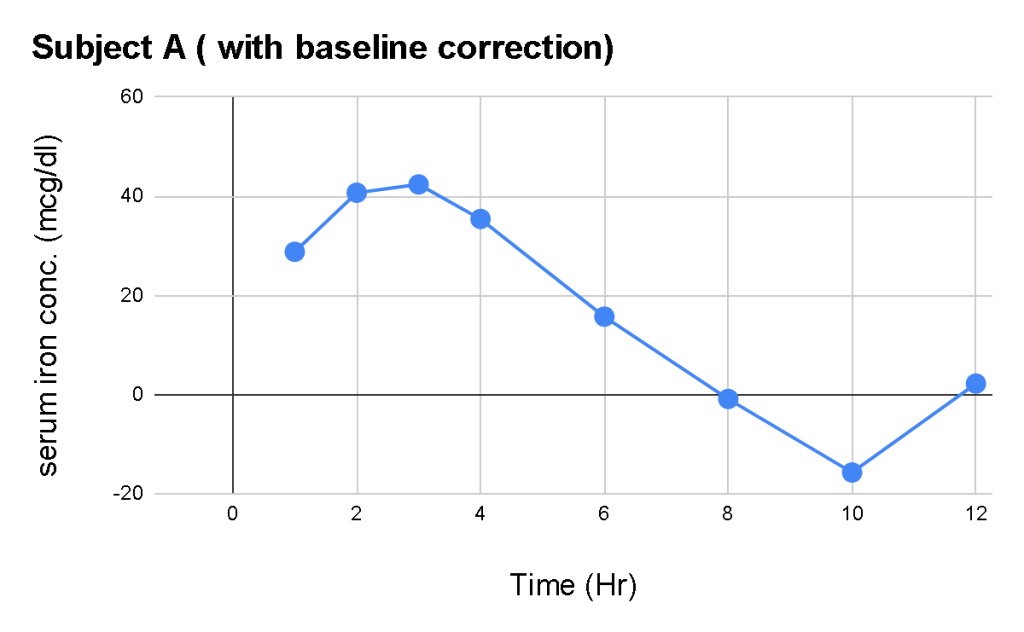
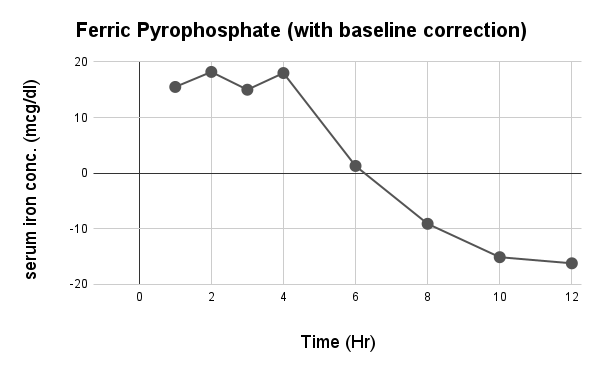
Figure showing mean serum iron concentrations with baseline correction with Lipoza®_Fe

ozabio
ozabio

In this human study, Lipoza-Fe demonstrated higher mean serum iron concentrations compared to Ferric Pyrophosphate, both with and without baseline correction, as shown in Figures C and D versus A and B. These results indicate that the liposomal formulation provides improved iron absorption and enhanced systemic availability.

Result

A single-dose parallel study confirmed that Lipoza®_Fe Liposomal Iron demonstrated significantly higher bioavailability than Ferric Pyrophosphate under fasting conditions.

SEM - Scanning Electron Microscopy for structure analysis

Microscopy: A Key Tool in Pharmaceutical Analysis
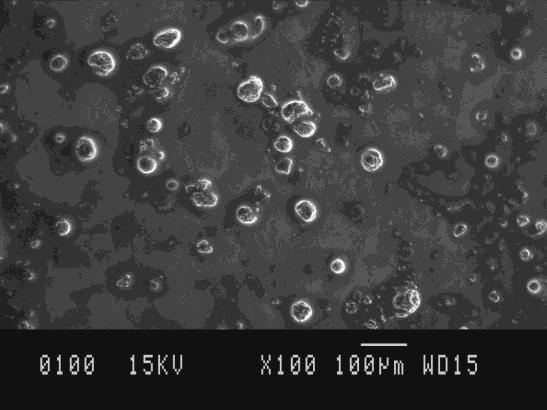
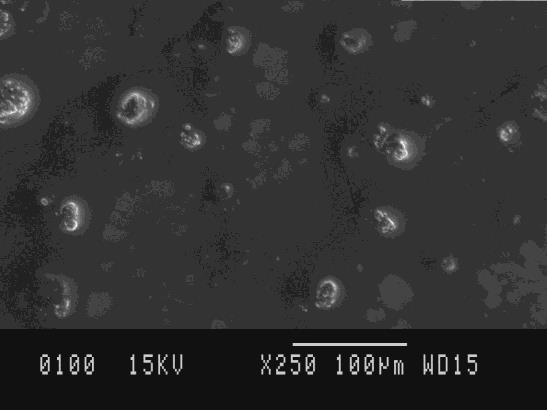
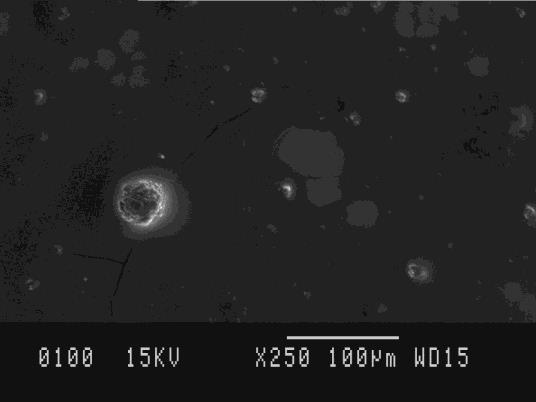
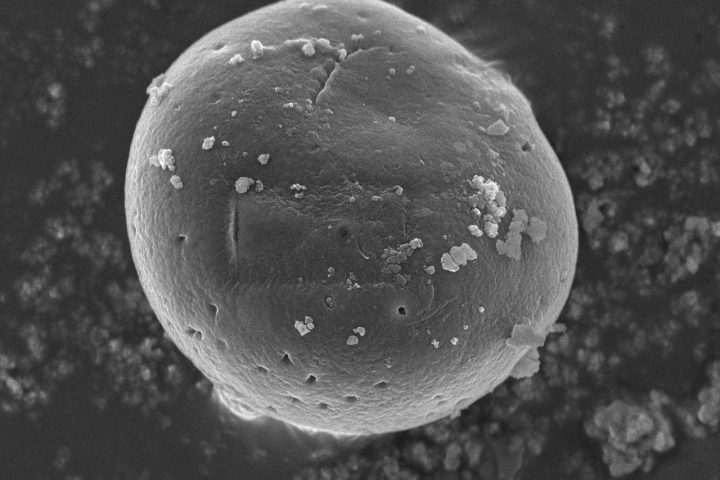
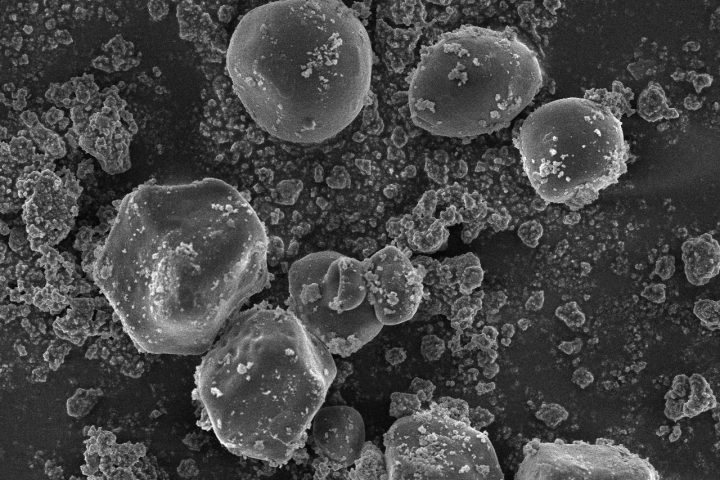
SEM analysis of liposomal samples provides critical insights into surface morphology, particle size, and aggregation, ensuring formulation stability and uniformity. It helps assess structural integrity, surface modifications, and coating efficiency for optimized drug delivery.

ozabio
ozabio
ozabio
ozabio

Magnified SEM Images for Structural Analysis for Lipoza®_Fe

HRTEM- High-Resolution Transmission Electron Microscopy for structure analysis

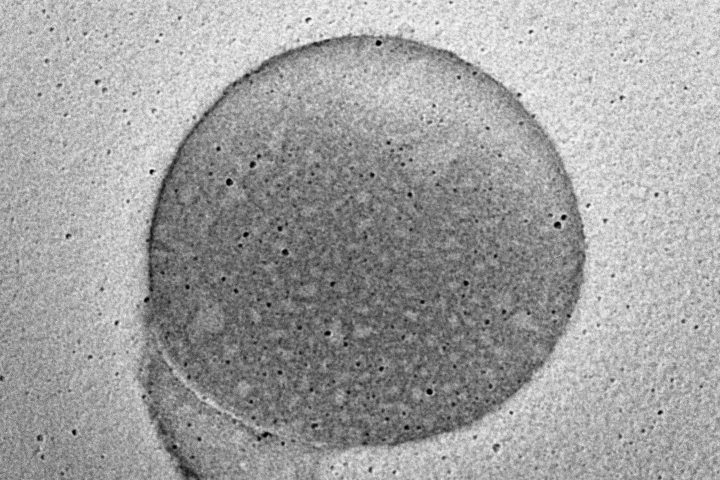
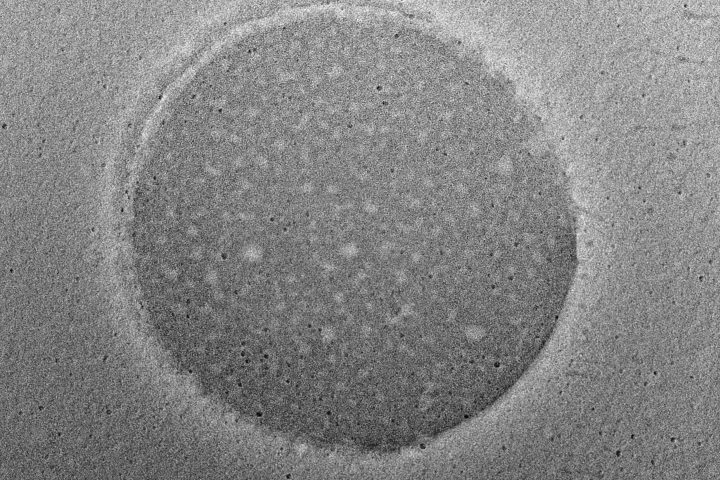
HRTEM provides high-resolution imaging for precise characterization of liposomal size, shape, bilayer integrity, and encapsulation efficiency. It helps assess stability, aggregation, and morphology, ensuring accurate structural analysis.

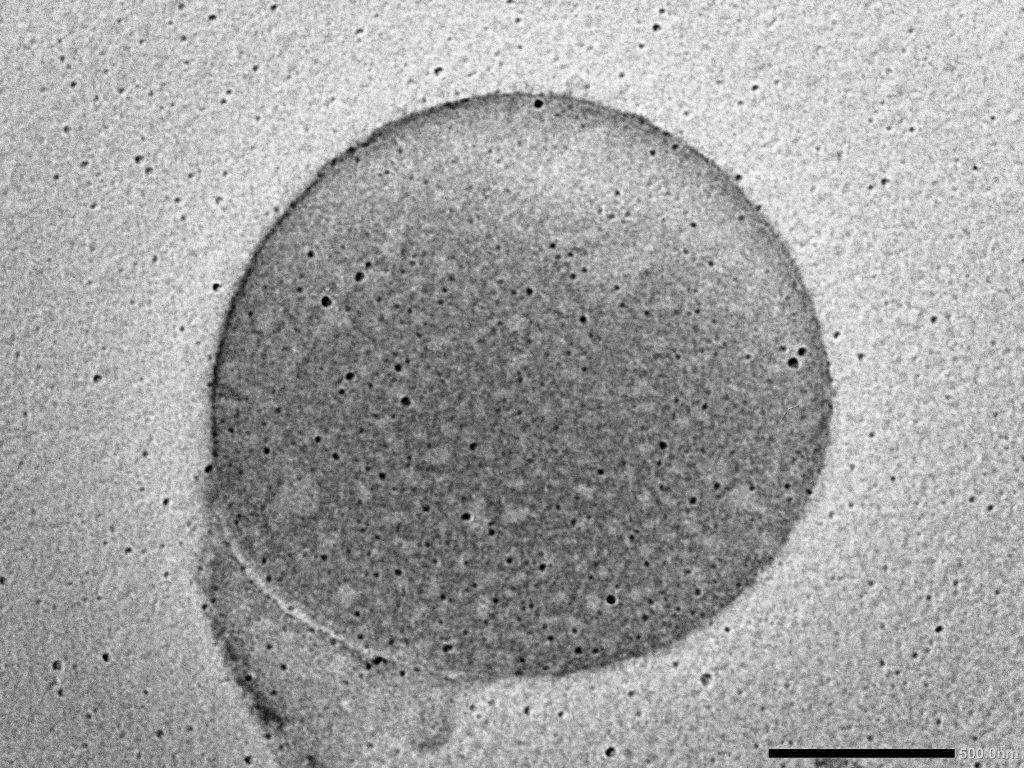
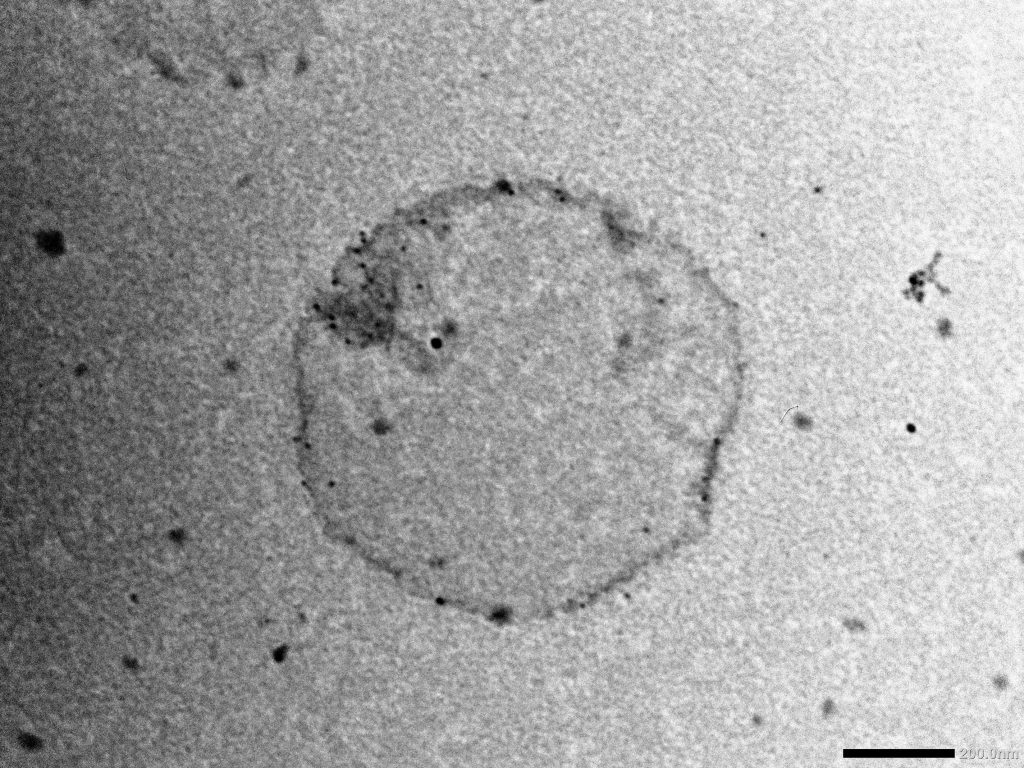
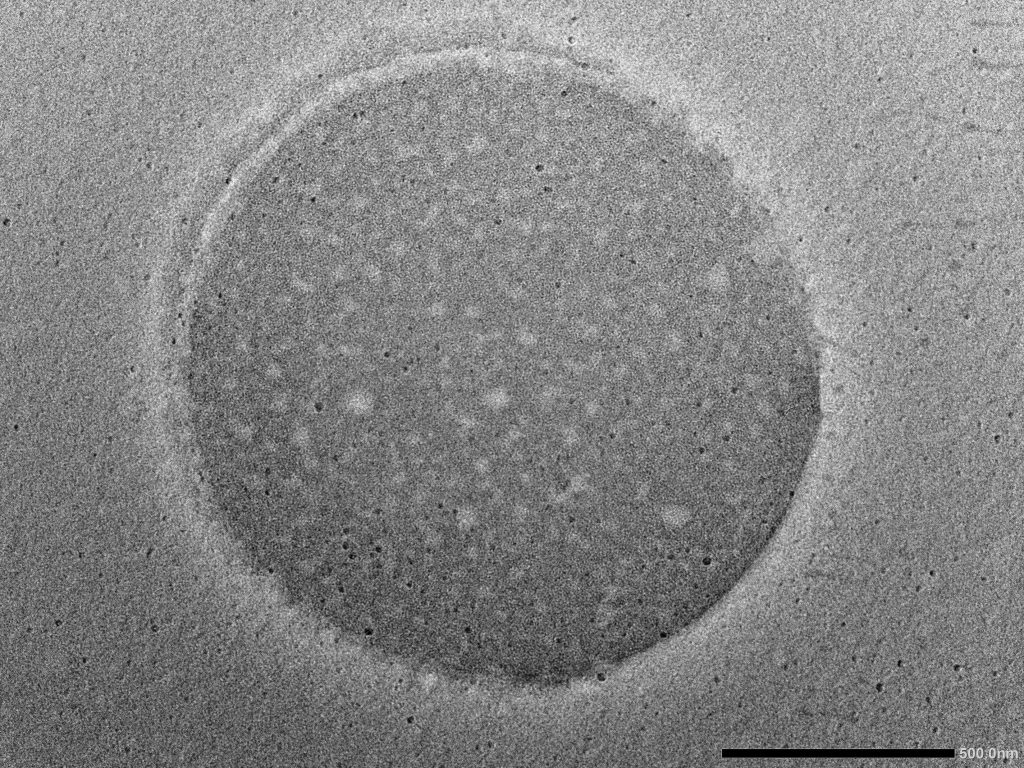
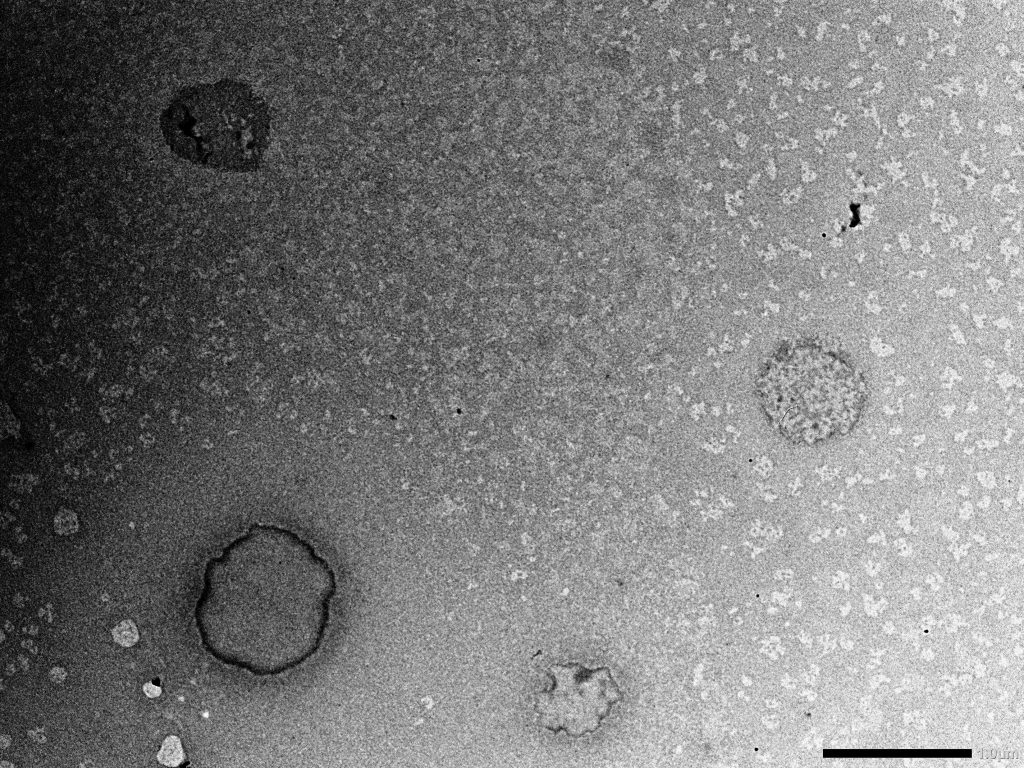
Magnified HRTEM Images for Structural Analysis for Lipoza® Glutathione

1.TEM-Based Structural Analysis of Liposomal Formulations

Transmission Electron Microscopy (TEM) provides high-resolution visualization of liposomal morphology, enabling assessment of vesicle size, shape, and internal structure. Liposomes generally appear as well-defined spherical vesicles with a distinct bilayer and a darker core region.
For example – Lipoza®-Q10

2.SEM-Based Surface Characterization of Liposomes

Scanning Electron Microscopy (SEM) offers detailed visualization of surface morphology, enabling assessment of particle texture, external structure, and overall physical characteristics of liposomal powders. This technique helps confirm uniformity, surface smoothness, and morphological integrity of the formulation.
For example – Lipoza®-Fe

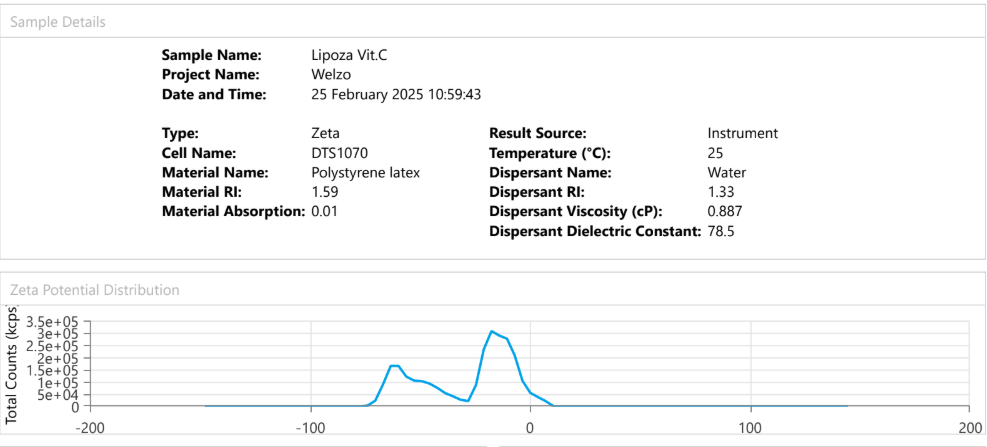
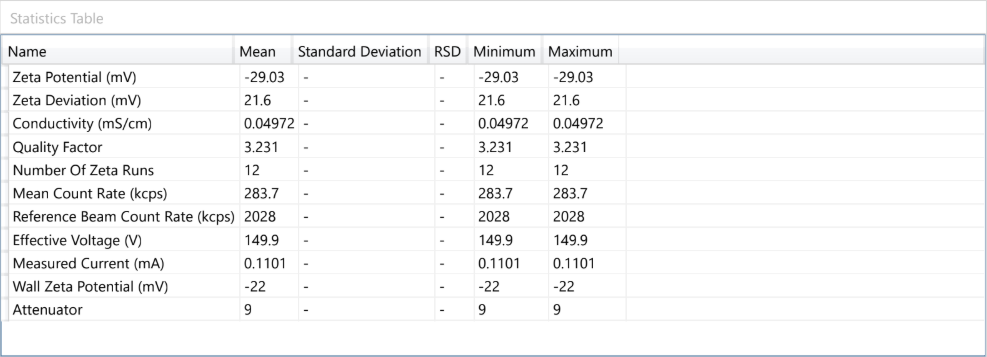
Zeta Potential Analysis for surface charge and stability

Zeta potential analysis provides insight into the surface charge and colloidal stability of liposomal formulations, where higher negative values indicate improved dispersion stability and reduced risk of particle aggregation.
For example – Lipoza®-VitC

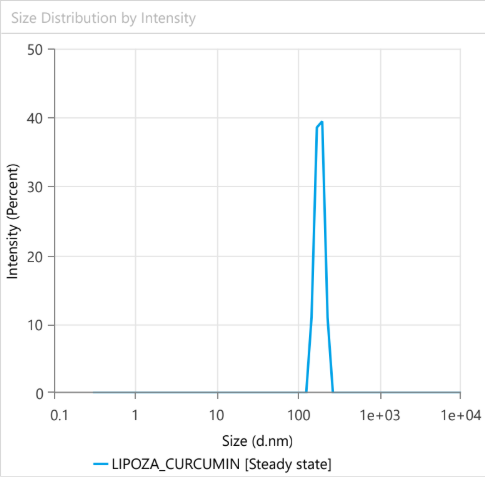
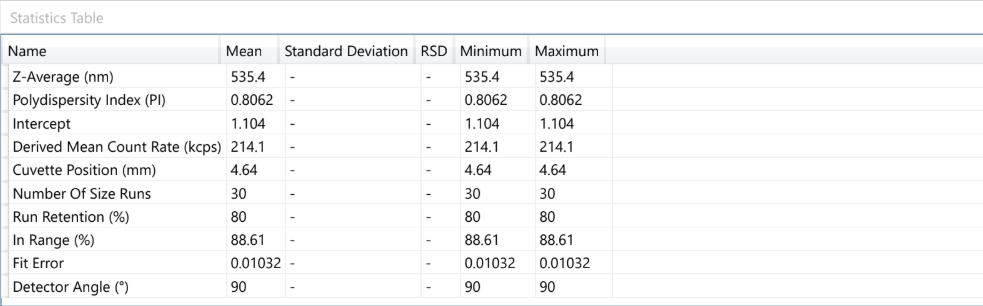
Dynamic Light Scattering (DLS) for particle size measurement

Dynamic Light Scattering (DLS) is employed to evaluate the particle size distribution and polydispersity of liposomal formulations, providing essential information on colloidal stability, dispersion uniformity, and potential bioavailability.
For example – Lipoza®-Curcumin

Caco-2 Study

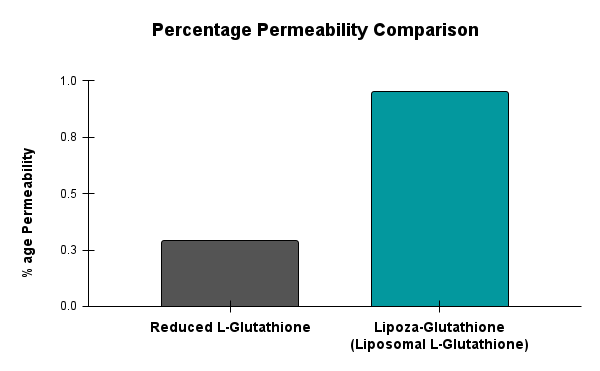
Caco-2 studies utilize human intestinal epithelial cell monolayers to evaluate the permeability and predicted absorption of test substances across the gut barrier.
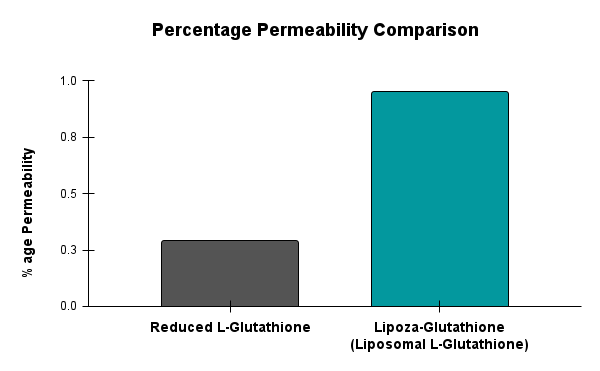
For example – Lipoza®-Glutathione
Demonstrated superior permeability, showing 0.95% transport compared to 0.29% for Reduced L-Glutathione—an approximate 3.28-fold increase. This enhanced permeability, despite lower glutathione content, indicates improved intestinal absorption and supports its potential as a more bioavailable form of glutathione supplementation.

Animal Study

Animal studies using validated animal models are essential to understand the pharmacokinetics, absorption behavior, distribution, metabolism, and safety of liposomal formulations under physiological conditions. As liposomes modify the delivery and release of active ingredients compared to conventional forms, these preclinical evaluations provide critical evidence of enhanced bioavailability and improved systemic performance, ensuring suitability for further clinical development.
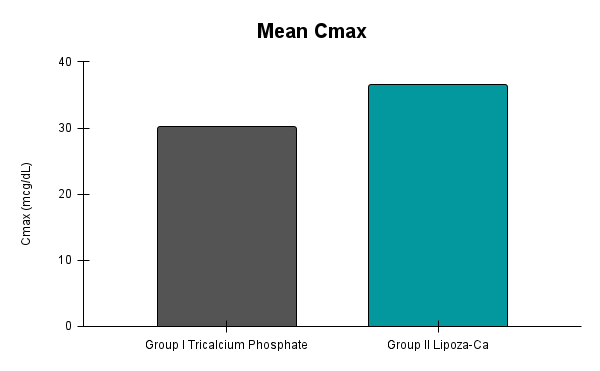
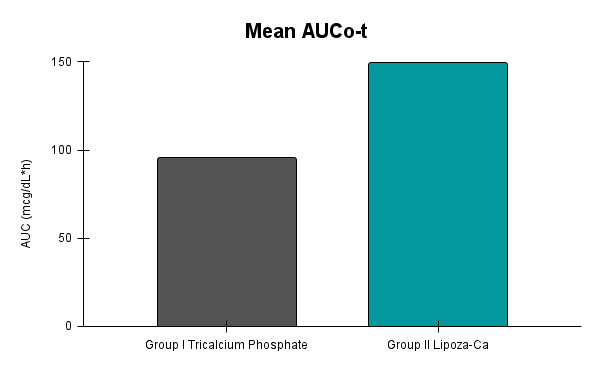
For Example: Lipoza®-Ca
Pharmacokinetic results showed that Lipoza-Ca achieved a higher Cmax (36.5 µg/dL) than Tricalcium Phosphate (30.2 µg/dL), along with a greater AUC0–t (149.55 vs. 95.43 µg·dL⁻¹·h). This demonstrates improved absorption and superior bioavailability of the liposomal formulation.

Human Study

Human studies are essential to evaluate the clinical safety, pharmacokinetics, and therapeutic efficacy of liposomal formulations in humans, ensuring that the improved delivery and bioavailability observed in preclinical models is accurately translated to human physiology.
For example – Lipoza®-Fe
A single-dose bioavailability study in healthy subjects demonstrated that Lipoza-Fe resulted in significantly higher mean serum iron levels compared to Ferric Pyrophosphate, both with and without baseline correction. This outcome clearly indicates improved absorption, enhanced systemic availability, and a superior pharmacokinetic profile for the liposomal formulation.
ozabio

Absorption and permeability through models like Caco-2 cell lines.
Caco-2 studies utilize human intestinal epithelial cell monolayers to evaluate the permeability and predicted absorption of test substances across the gut barrier.

For example – Lipoza-Glutathione
Demonstrated superior permeability, showing 0.95% transport compared to 0.29% for Reduced L-Glutathione—an approximate 3.28-fold increase. This enhanced permeability, despite lower glutathione content, indicates improved intestinal absorption and supports its potential as a more bioavailable form of glutathione supplementation.

Contact Form

Contact Information

Fill out the form below and we'll get back to you soon

✓ Form submitted successfully! We'll contact you soon.
✗ There was an error submitting the form. Please try again.

* indicates required question